


Introduction to Tokenized Real Estate
In the evolving world of finance and property ownership, tokenized real estate stands out as a revolutionary concept. It allows everyday individuals to invest in high-value properties without needing millions in capital. Imagine owning a fraction of a luxury apartment in New York or a commercial building in Tokyo with just $100. By 2026, this could become commonplace, thanks to advancements in blockchain technology and digital assets. Tokenized real estate breaks down traditional barriers, making property investment accessible to the masses.
This approach involves converting real estate assets into digital tokens that represent ownership shares. These tokens can be bought, sold, or traded on blockchain platforms, similar to how stocks are handled on exchanges. The core idea is democratisation—turning illiquid assets like buildings into liquid, divisible ones. For someone starting with a small budget, this means entering the real estate market without loans or large down payments.
The rise of tokenized real estate aligns with broader trends in fintech, where innovation meets practicality. It promises lower entry costs, faster transactions, and global reach. As we approach 2026, regulatory frameworks are maturing, paving the way for safer, more widespread adoption. This article explores the mechanics, benefits, key players, and future of tokenized real estate, emphasising how it enables ownership with minimal investment.
How Tokenization Works in Real Estate
Tokenization transforms physical properties into digital representations. The process starts with property owners or developers selecting an asset, such as a residential complex or office space. They then create digital tokens, each corresponding to a tiny fraction of the property’s value. For instance, a $1 million property could be divided into 10,000 tokens, each worth $100.
These tokens are issued on a blockchain network, which acts as a secure, decentralised ledger. Blockchain ensures transparency and immutability—once a transaction is recorded, it can’t be altered. This eliminates the need for intermediaries like banks or brokers in many cases, reducing fees and speeding up deals.
Blockchain Basics for Tokenized Assets
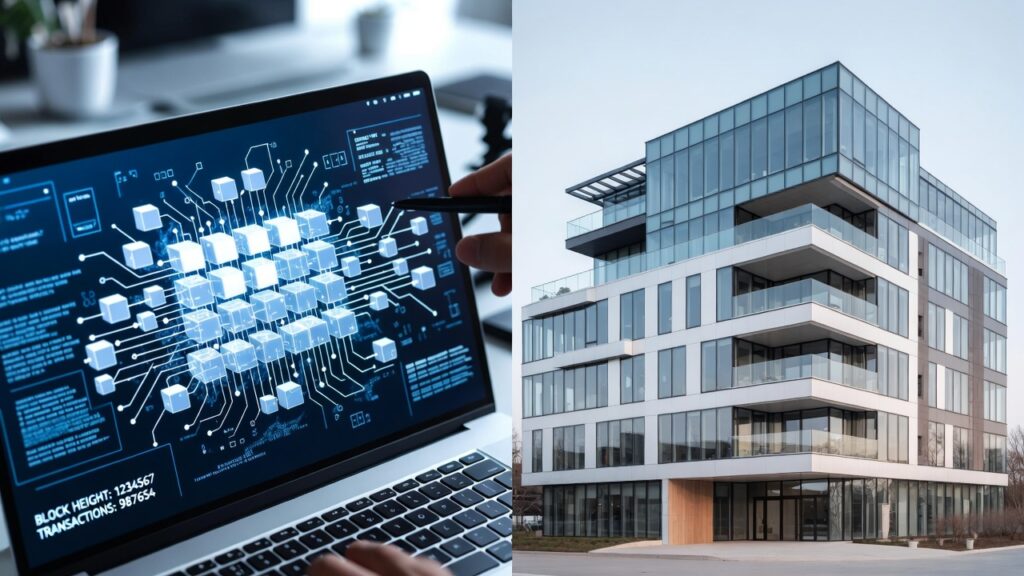
At its heart, blockchain is a chain of blocks containing transaction data. Each block links to the previous one via cryptographic hashes, creating a tamper-proof system. In tokenized real estate, blockchain records ownership transfers, dividends from rent, and property details. Popular blockchains like Ethereum or Solana are often used due to their support for smart contracts and scalability.
For investors, this means verifiable ownership. You don’t hold a physical deed; instead, your wallet contains tokens proving your stake. Security tokens, a subset of cryptocurrencies, comply with regulations like SEC rules in the US, ensuring they’re treated as legal securities.
The Role of Smart Contracts
Smart contracts are self-executing programs on the blockchain. They automate agreements, such as distributing rental income proportionally to token holders. If a property generates $10,000 in monthly rent, a smart contract could instantly allocate shares based on token ownership—no manual processing required.
This automation enhances efficiency and trust. Conditions like “pay dividends if rent is collected” are coded in, triggering actions automatically. In 2026, expect more sophisticated smart contracts with AI integration for predictive maintenance or market analysis, further streamlining operations.
Benefits of Tokenized Real Estate
Tokenized real estate offers numerous advantages over traditional investing. It lowers the financial threshold, enabling micro-investments. With $100, you could own a piece of multiple properties worldwide, spreading risk.
Accessibility for Small Investors
Traditional real estate demands substantial capital for down payments, closing costs, and maintenance. Tokenization eliminates this by allowing fractional ownership. Platforms let users buy tokens via apps, similar to purchasing stocks on Robinhood. This exclusivity attracts millennial’s and Gen Z, who prefer digital assets over physical ones.
By 2026, mobile-first platforms could make investing as easy as ordering food online. No need for credit checks or lengthy approvals—just connect a wallet and buy.
Increased Liquidity and Quick Trades
Real estate is notoriously illiquid; selling a property can take months. Tokens, however, trade on secondary markets 24/7, like cryptocurrencies. This liquidity means you can cash out quickly if needed, without affecting the underlying asset.
Global access is another perk. Investors from anywhere can participate, fostering a diverse marketplace. This could lead to more stable prices through broader participation.
Diversification and Risk Management
With small investments, you can diversify across property types—residential, commercial, industrial—or locations. A $100 portfolio might include tokens from a European hotel, an Asian mall, and a US warehouse. This spreads risk, protecting against local market downturns.
Yield generation is appealing too. Tokens often entitle holders to rental income or appreciation profits, providing passive returns.
Tokenized Real Estate Companies
Several tokenized real estate companies are pioneering this space. These firms specialise in selecting properties, tokenizing them, and managing platforms for trading. They handle legal compliance, property management, and investor relations.
For example, companies focus on high-yield assets like rental apartments or commercial spaces. They use blockchain to ensure transparency in operations. Investors benefit from audited reports and real-time updates on property performance.
Tokenized real estate companies also partner with regulators to create compliant tokens. In the US, they adhere to Reg D or Reg A+ for securities offerings. Globally, they navigate varying laws to offer cross-border opportunities.
By 2026, expect consolidation among these companies, with leaders emerging through mergers. New entrants might leverage AI for property valuation, enhancing accuracy and investor confidence.
These companies democratise access, allowing $100 investments to yield returns traditionally reserved for the wealthy. Their platforms often include educational resources, helping novices understand the process.
Tokenized Real Estate Crypto
Tokenized real estate crypto blends property with cryptocurrency ecosystems. Tokens are built on crypto protocols, enabling seamless integration with DeFi (Decentralised Finance). This means you can stake tokens for extra yields or use them as collateral for loans.
Crypto aspects add volatility but also potential for high returns. Unlike stablecoins, real estate tokens derive value from tangible assets, offering stability amid crypto fluctuations.
In 2026, tokenized real estate crypto could intersect with NFTs for unique property features, like virtual tours or exclusive rights. Wallets like MetaMask would store these assets, with exchanges like Uniswap facilitating trades.
Security is paramount; crypto platforms employ multi-signature wallets and audits to prevent hacks. Investors should choose reputable tokenized real estate crypto projects to avoid scams.
This fusion creates a hybrid investment vehicle—real estate’s reliability with crypto’s innovation.
Tokenized Real Estate: The Tech Behind Safe Investing
The technology underpinning tokenized real estate ensures safe, reliable investing. Blockchain’s decentralisation prevents single-point failures, while encryption secures data.
Security Protocols and Audits
Platforms conduct regular smart contract audits by firms like Certik to identify vulnerabilities. Token standards like ERC-1404 add compliance layers, restricting transfers to verified users.
Identity verification via KYC (Know Your Customer) processes weeds out bad actors, aligning with anti-money laundering laws.
Data Transparency and Analytics
Investors access dashboards showing property metrics—occupancy rates, maintenance costs, revenue streams. AI-driven analytics predict trends, aiding informed decisions.
In 2026, quantum-resistant cryptography might emerge to counter future threats, bolstering security.
Regulatory Tech Integration
RegTech tools automate compliance reporting, ensuring tokens meet legal standards. This tech stack makes tokenized real estate a safe haven for $100 investors.
Challenges and Risks in Tokenized Real Estate
Despite benefits, challenges exist. Regulatory uncertainty varies by country; some nations embrace it, others impose strict rules.
Market volatility affects token prices, though less than pure crypto. Property-specific risks like tenant defaults or economic downturns persist.
Cyber security threats loom, but robust protocols mitigate them. Investors must research platforms thoroughly.
Legal disputes over fractional ownership could arise, but clear smart contracts help resolve them.
By 2026, improved standards should address these, making the space more mature.
The Future of Tokenized Real Estate in 2026
Looking ahead, 2026 could see tokenized real estate mainstreamed. With $100, owning property fractions becomes routine, integrated into retirement plans or apps.
Advancements in VR might allow virtual property tours, enhancing engagement. Global adoption could reach billions in market cap.
Sustainability focus: Tokens for green buildings could attract eco-conscious investors.
Interoperability between blockchains will enable seamless cross-platform trading.
Overall, tokenized real estate promises inclusive wealth building.
Tokenized real estate revolutionises property ownership, enabling $100 investments by 2026. Through blockchain, smart contracts, and innovative companies, it offers accessibility, liquidity, and safety. While challenges remain, the future looks bright for this trans-formative approach.

Leave a Reply